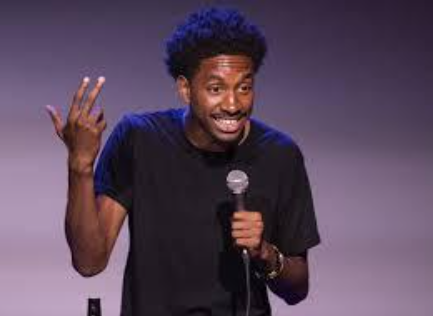
Styles of Comedy: From Slapstick to Different Comedic Performances
Styles of Comedy in Kenya
With respect to social, political, and digital changes in society, the creative industries in Kenya have developed in a similar manner. Comedy in particular has become an established industry. Kenyan comedians have live performances, film and social media comedy, and tailor their editing and style to their diverse audiences. Even though there is uniformity in the styles of comedy, there is a high degree of originality of the audience, the platform, and the relevance to the spectators. This article discusses the primary styles of comedy in Kenya and the reasons for their sustained popularity. Begin your Paripesa registration today and let’s get into it!
What Different Comedy Genres Are Developing in Kenya?
Kenya’s comedy traditions cannot be traced to one specific origin. Kenyan performers have combined many different art forms: storytelling, urban narratives, political humorous critique, and digital. Comedy genres in Kenya include observational, improvisation, humorous analysis, slapstick, and skit comedy. Comedy genre development in Kenya can be attributed to its participants, spectators, and the speed at which comedy is consumed.
Since comedy genres are interconnected, experience-based performers humorous critique, while slapstick performers create short digital skits. Such diversity of styles in comedy explains the rapid development of the art in Kenya.
Comedy as a Universal Language: Observational Comedy in Nairobi
In a city context, interpersonal relationships, work culture, and social behaviors become quotidian realizations that can be examined in an experience-based comedic way. This style of comedy especially, is dominant in social media snippets, theater acts, and stand up comedy shows in Nairobi. This is due to the relatability of the spectators to the content of the shows. The spectators’s lived experiences are a mirror of the comedic material.
Comedy is based on the exaggeration of things that happen everyday as a mark of a true art of comedy. Regular spectators members share the same social expectations, the same workplace stress, the same family issues, etc. These things craft the type of comedy that cuts across social classes, experience-based comedy, that is the most accessible and inclusive for everyone.

Leading the Wave: How Mammito Eunice and Doug Mutai Master the Craft
Firstly, Mammito Eunice and Doug Mutai, among others, process the delivery of experience-based comedy at a higher level. They report that the comedy acts are carefully designed and constructed, and the delivery is seamless. They perform their acts live to get spectators reactions, before uploading the content to comedy digital platforms. Their comedy relies on spectators understanding, instead of using shock comedy as a fallback.
story based humor as opposed to just quick fire jokes. This is effective because they on a wider scale, for the spectators even outside of Kenya, to understand the context of the jokes. Their success is a clear indicator of the portability of experience-based humor, as long as there are narratives and no inside obscure jokes.
How Relatability and Empathy Crosses Borders
Kenyans and others worldwide share similar issues like financial struggles, love life complications, and job instability. It does not matter the geography of the performer! Observational humor that focuses on emotion and experience is universal. Kenyan performers have portrayed these issues for years and successfully amassed spectators in the diaspora and beyond.
This is even more notable in the digital world. In the absence of cultural barriers, the more succinct and straight to the point the content is, the greater the chances of virality. This explains the phenomenon where Kenyan stand-up performers have grown from performing in small local clubs to having international tours and streaming content.
Satire Comedy: Using Technology to Push Boundaries
In Kenya, there is a type of social and political humorous analysis directed at the media where the social criticism blends the loose and the more constrictive forms of humorous analysis. This branch of humorous analysis, like the other branches, has also grown with the advent of new media, especially with the increasingly circulated short commentary videos.
Satire relies on an attendees having some knowledge on the subject matter. Kenyen satirists usually rely on their attendees having knowledge on current events, social movement discussions, and recent online events. This is why humorous analysis is especially powerful in urban and digitally educated communities.
Justine Wanda and the Achievement of “Fake Woke” Social Commentary
Wanda is an excellent example of the “Fake Woke Satire” of the Kenyan diaspora. Wanda critics the so-called “woke” culture, influence culture, and social media hypocrisy. Rather than analysis individuals, she critiques social media phenomena and the behaviors of individuals on the platform.
This technique is powerful because of its accuracy. Creating satirical social commentary on social behaviors rather than on specific individuals, allowed Wanda the social freedom to create and share satirical social commentary without social stigmas. This is the positive side of social media humorous critique for Wanda, especially in avoiding the backlash that is so common from topical social humorous commentary.
Political Satire in Kenya in 2026 – The Wit and Use of Indirection
As we move into 2026, Indirect Political humorous commentary is become more common in Kenya. Particularly at comedy festivals, there is a growing avoidance of telling attendees who or what to support politically. Instead, unfulfilled promises, selective outrage, media spin, and similar phenomena are the focus of unvoiced critiques of the Kenyan political system. In a way, performers sidestep the risks of political humorous commentary and preserve the relevance of their craft.
Outrageous humorous commentary or the use of fictitious characters based on real people are common in the genre. Satire does not bring the criticism of the person or acts of a given people or group too close to home. This distance helps many avoid defensiveness and encourages attendees to think more deeply of what is at stake.
Different Types of Comedic Performance: Live vs. Digital
Comedy in Kenya can be divided into two categories: live shows and digital content. Each category impacts content creation, joke construction, and attendees engagement differently. Live shows prioritize attendees feedback and timing, while digital shows prioritize attendees feedback and timing.
Most comedians adapt their content for both live and digital shows. Comedians benefit from visibility and revenue from both formats.
Stand-Up Specials: The Move Toward 60-Minute Theatre Runs
Significant progress has been made in stand-up comedy in Kenya. Short club sets are no longer the only industry standard, as comedians are now performing in theatres. The industry has also shifted towards 60-minute specials, leading to comedians being able to delve into and cover multiple themes and more intricate narratives. The attendees composition has also evolved to premium paying guests.
Completing this shift indicates even more professionalization of the industry. Theatres need detailed marketing, rehearsals, and production schedules. This has changed the perception of the industry towards comedians, many consider them now performance artists instead of entertainers, which is more prestigious.
Sketch Comedy: From Churchill Show Ensembles to Solo TikTok Stars
The movement of sketch comedy from collective efforts to individual creators is illustrated by Churchill Show, which was originally based on ensembles, to TikTok, which is exclusively individual creators.
Solo comedians enjoy the benefits of speed and agility. They can respond to trends quicker and develop their personal brands without the need of large production teams. This model has also reduced the barriers of entry for new and emerging comedians.
Slapstick and Physical Comedy: An Ever-Present Cultural Tradition in Kenya
In Kenya, one of the oldest forms of comedy, which still thrives today, incorporates the use of visial comedy and slapstick humor, Although, without the use of complex dialogues, the visial comedy still forms one of the oldest forms of comedy which can be appreciated the largest comedic attendees. This is because action-based humor embraces the most diverse attendees in the world.
The relatability of this type of comedy has made it remain relevant, especially on both television and social media.
Visual Comedy In The Arts Of Mzee Ojwang And Eric Omondi
In Kenya, cinema is represented by Eric Omondi and Mzee Ojwang, both of whom, apart from situational comedy, made great use of visual comedy. The use of exaggerated characters, along with situational comedy, also provides them with the ability to create memorable visual moments.
Most of the visual comedy is action-based and therefore relies on the use of the body. This is one of the main reasons why a large section of the attendees appreciate comedy. This also explains why most of their comedies became successful.

Why do High-Energy Mannerisms Still Perform Well on Trending Instagram Reels?
It can be noted that physical high-energy comedy is one of the styles the Kenyan Reels Creators are using to get instant engagement for an algorithm that is priority user interaction. Expressionist high-energy physical comedy attracts observers and gets them to become active participants. In the context of Kenya, high-energy creators are advanced-gesture style high-energy physical comedy expressive active participants.
Younger attendees, similarly, tend to gravitate towards the high-energy, fast-gesture, and rapid-response gameplay of high-energy, story-less, fast-pace games. As such, content creators have gravitated towards using high-energy, active, and slapstick styles of physical engagement to increase attendee engagement across social and cross-social platforms.
The Modern Era’s Improv Comedy
An implicit example of this evolving practice is modern improvisational comedy, which combines interactive attendees participation with performance theatre and various different types of comedy, including slapstick comedy, deadpan, absurd, and situational humor. In the context of Kenyan theatre, attendees participation has historically been a key driver of collaborative performative artistry, improvisation, and comedic elements reflecting everyday life. Comedy can be broken into several comedic genres where a performer blends style of humor and body language with facial expressions and laughter to engage audiences.
What About The Increase In Live Audience Participation At The Nairobi Laugh Bar?
Apart from placing the guests in a manner that encourages direct attention to the show, the audience participation venues in improvisational comedy, where the audience can also participate and improvise, are becoming more common. The rearrangement also enables the audience to participate and improvise in the variety of comedic material, from one-liners and punchlines to farce, romantic comedies, and spoof sketches, combining comedy combines elements from slapstick to satire, witty dialogue, and quick thinking stunt performances.
H3: Why The Need For Unplanned Improv Sessions Has Become A Business Staple
Improv has become a more valuable skill in places other than the comedy club. Improvisation is now a feature of corporate functions, brand activations, and team-building activities. Unplanned performers can also earn more money from these several types of comedy events. Comedians like Jim Carrey, Charlie Chaplin, and Buster Keaton demonstrate how theatrical, exaggerated humor and deadpan comedy can influence style of humor and audience engagement.
This demonstrates that improv and comedy skills also mean a storyteller or performer can do a lot more in terms of communication and facilitation, incorporating absurdity, surreal, morbid, and gallows humor elements. Using situations that defy logic, absurd, or like Charlie Chaplin physical comedy, comedians like the Three Stooges blend slapstick comedy, stunt, and facial expressions to maintain audience interest.
Conclusion
Kenyan comedy adjusts due to audience perception, different types of media, and sociocultural factors. Improv comedy gets the audience involved, and experience-based and other forms of comedy such as black comedy, dark comedy, dry comedy, deadpan, slapstick comedy, and the comedy style of the ridiculous and chaos commentary various sociocultural and social factors, including the frustrations of a dysfunctional social system. All these comedic elements combined create a strong social commentary. There is no doubt that improvisational comedy is a major audience engagement tool, and it is also true that sociocultural factors highly influence Kenyan performers.
FAQs
Who is the most followed Kenyan on Instagram in 2026?
In 2026, the most followed Kenyan on Instagram is a media, entertainment, and lifestyle content creator. Due to the integration of social media platforms and collaborations, it is challenging to determine a consistent ranking.
Is the “Kenyan Haaland” actually related to the football star?
The “Kenyan Haaland” is a local football player who has a playing style that resembles that of Haaland. Therefore, there is no blood relation.
Which is the new business Vera Sidika launched?
Currently, Sidika has launched a new enterprise in the beauty and wellness sector, which enables her to engage her lifestyle products to consumers directly.
Why do Kenyan stars come back to faith-based content?
Most celebrities seem to be trying to win customers’ requests for focused stories, especially with the current social and economic challenges.
How has Trio Mio stayed relevant in the media after completing his education?
Trio Mio’s relevance came from his youthful commentary, collaborations, and a more mature audience, plus songs that connected personally to the audience.